The Rise of Eco-Friendly and Sustainable Jewelry in India | HandiPearl
Introduction
Sustainability is no longer just a trend—it’s a lifestyle. In India, eco-friendly jewelry is gaining massive popularity as consumers become more aware of ethical production and environmental impact. Handmade pieces crafted by Indian artisans are at the forefront of this movement, offering sustainable jewelry that is both beautiful and responsible. At HandiPearl, we celebrate designs that merge style, tradition, and environmental consciousness, proving that fashion and ethics can go hand in hand.
1. Recycled Metals and Ethical Materials
Jewelry made from recycled gold, silver, and brass reduces environmental impact.
Artisans source materials responsibly, ensuring minimal harm to the environment.
Eco-friendly production methods are used without compromising on quality.
Pro Tip: Always check for certification or brand transparency to ensure authentic sustainable sourcing.
2. Supporting Local Indian Artisans
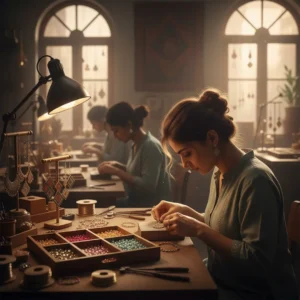
Handmade jewelry creates livelihoods and preserves traditional skills.
Artisans often craft limited-edition pieces, adding exclusivity.
Buying locally reduces the carbon footprint associated with mass production.
Style Note: Each piece carries a unique story and craftsmanship that mass-produced jewelry cannot replicate.
3. Natural and Organic Materials
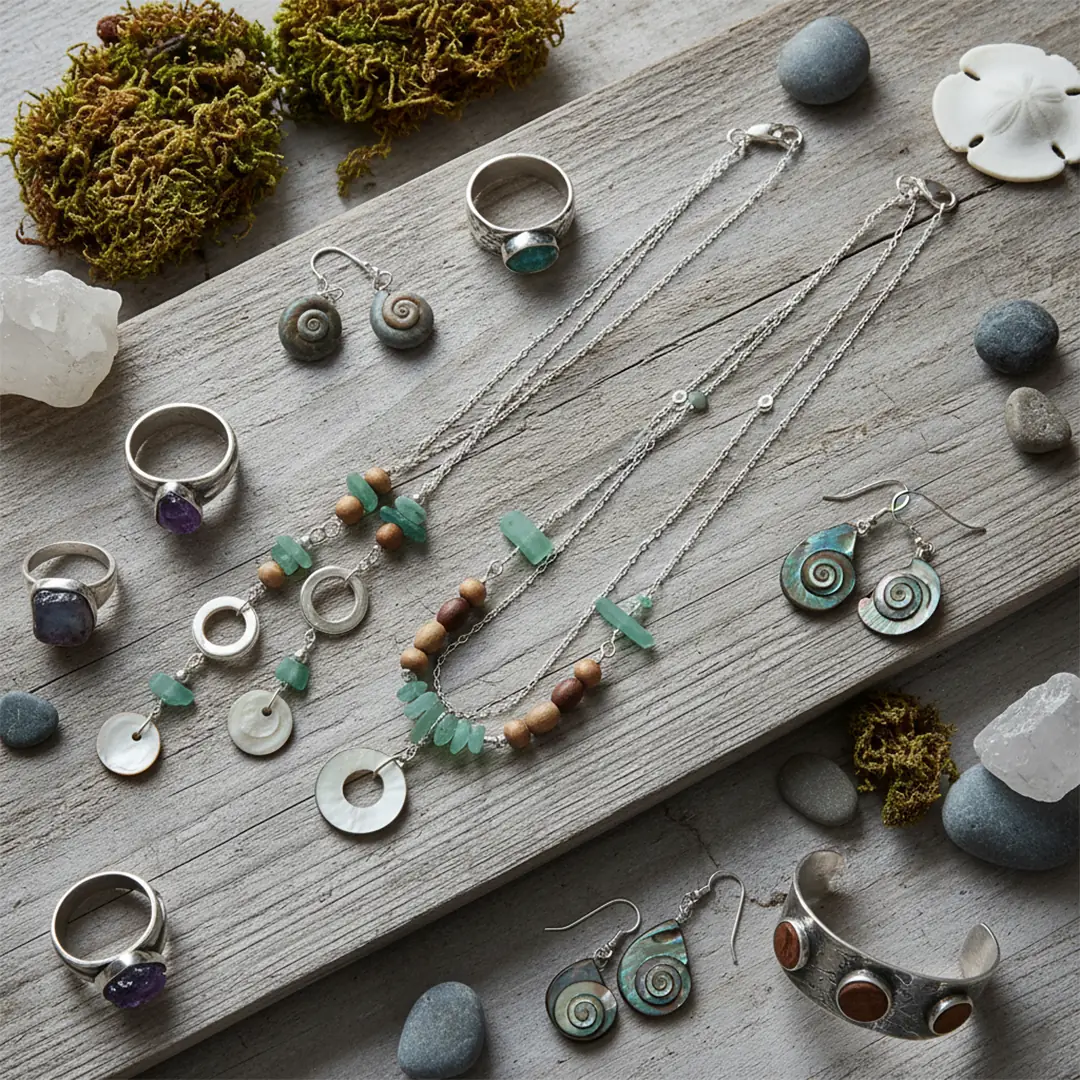
Wood, seeds, shells, and recycled glass are increasingly used in jewelry.
These eco-friendly alternatives bring earthy aesthetics to fashion jewelry in India.
Each handmade piece is unique, reflecting the beauty of nature’s imperfections.
Pro Tip: Pair natural-material jewelry with neutral or earthy outfits for a harmonious look.
4. Minimalist and Versatile Designs
Minimalist jewelry reduces production waste and promotes sustainability.
Stackable and multi-functional pieces ensure versatility and long-term use.
Fewer, well-crafted pieces are better than accumulating mass-produced accessories.
Why it works: Sustainable fashion focuses on quality and longevity rather than quantity.
5. Consumer Awareness and Demand
Millennials and Gen Z prioritize eco-conscious purchases.
Jewelry with a story—like sustainable sourcing or artisan craftsmanship—resonates more with buyers.
HandiPearl combines style with responsibility, meeting modern consumer expectations.
Pro Tip: Share your jewelry’s story on social media to educate and inspire conscious fashion choices.
6. Handmade Jewelry as an Ethical Investment
Handmade jewelry retains its value longer than mass-produced pieces.
Ethical practices ensure both environmental and social responsibility.
Limited-edition sustainable pieces are unique, making them collectibles for future fashion enthusiasts.
7. Trends in Sustainable Jewelry 2025
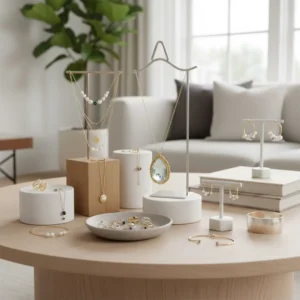
Mixed-material designs featuring pearls with recycled metals or elements like wood and resin.
Nature-inspired motifs, floral patterns, and asymmetric shapes.
Bold, statement pieces crafted sustainably, combining eco-consciousness with fashion.
Style Tip: Mix sustainable pieces with your existing collection for a trendy, eco-friendly look.
FAQs – Eco-Friendly Jewelry
Q1: Is sustainable jewelry more expensive?
Slightly, but it offers better quality, ethical sourcing, and longer-lasting value.
Q2: How do I verify eco-friendly claims?
Look for brand transparency, certifications, and information about artisan sourcing.
Q3: Can eco-friendly jewelry be stylish?
Absolutely! Sustainable designs now include statement, minimalist, and pearl-based pieces that match global trends.
Q4: How does handmade jewelry help the environment?
Handmade production uses less energy and raw material than machine-made mass production, reducing carbon footprint.
Q5: Are natural materials durable?
Yes, when crafted carefully by skilled artisans, natural-material jewelry lasts long and maintains its aesthetic.
Conclusion
The rise of eco-friendly and sustainable jewelry in India reflects a growing shift toward conscious consumerism. Handmade pieces by Indian artisans, crafted with sustainable materials, are redefining style, individuality, and responsibility. At HandiPearl, we offer elegant, modern, and eco-conscious jewelry that celebrates artistry while caring for the planet. Choosing sustainable jewelry is not only a fashion statement—it’s a commitment to a better, greener future.